James Morse
West Palm Beach, FL
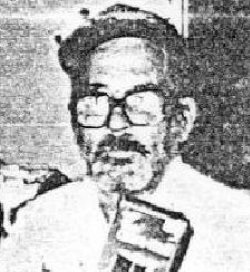
James W. Morse, a disabled WWII Veteran and carpenter, was last seen by his mother on February 2, 1982 in Apopka, FL. He was enroute to West Palm Beach, FL to visit his daughter at her home. He never arrived to his daughter's house and has not been heard from since. Police discovered David Lee Armstrong, a transient and fugitive from Mountain View, AR, had used Morse's credit cards after his disappearance. Armstrong also sold Morse's silver 1964 Ford step van to his own uncle for $70. The interior of the van was heavily stained with Morse's blood and there was evidence of human tissue, including brain cells. Authorities had determined that there was enough blood present in the van to prove that Morse had sustained fatal injuries. Armstrong was apprehended by police in Illinois when he was arrested for forgery in connection with Morse's credit cards. He was also wanted in Arkansas for an escape charge. Armstrong confessed to killing James Morse. He said that Morse had picked him up as a hitchhiker; he then beat and stabbed Morse to death. Armstrong claimed to have dumped Morse's body in a sugar cane field near Belle Glade. An extensive search was conducted, but the body was never fo
Submit a Tip or Sighting
Tips go to the agency dashboard for review. Call 911 first if this is urgent or happening now.
CaseTrace is not an emergency reporting system. If someone is in immediate danger, call 911. For official tips or urgent case information, contact the investigating agency directly.
CaseTrace is for awareness and responsible information sharing only. Do not approach, confront, follow, accuse, or investigate anyone based on case information. Submit credible information through the proper tip channel or contact the investigating agency directly. If someone is in immediate danger, call 911.
Submitted tips are not displayed publicly. They are intended for authorized review only.
Helpful tips include where, when, what you saw, vehicle details, direction of travel, photos, or other specific facts. Avoid guesses, rumors, or accusations.
Do not submit false, harassing, threatening, or intentionally misleading information.